Connecting Community Through Fresh Fruits and Vegetables
- Kacie Luckett
- May 6
- 4 min read

In today’s fast-paced world, the importance of community connections often gets overshadowed by technology and urbanization. However, one of the simplest yet most effective ways to foster community ties is through fresh fruits and vegetables. These natural gifts not only nourish our bodies but also serve as a bridge that connects individuals, families, and neighborhoods. This blog post explores how fresh produce can enhance community engagement, promote health, and support local economies.
The Role of Fresh Produce in Community Building
Creating Shared Spaces
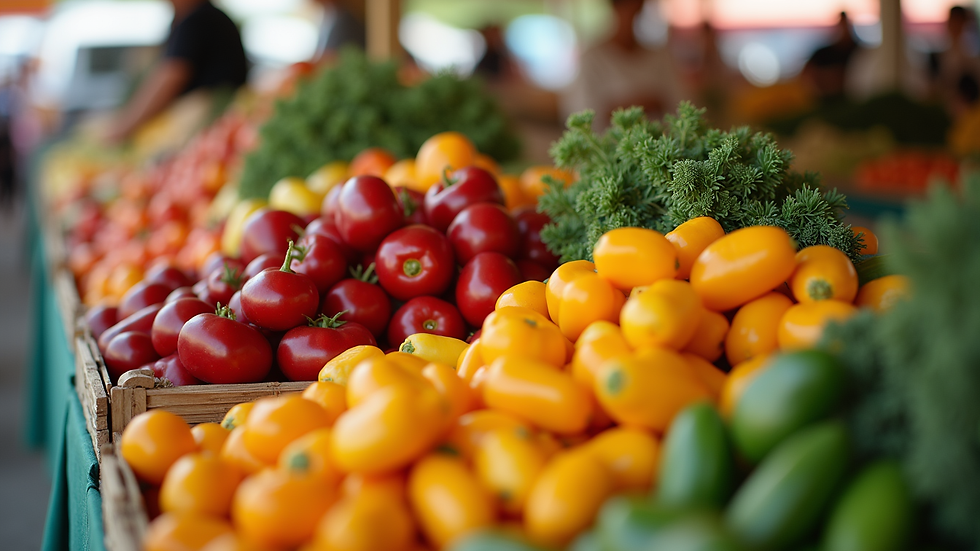
Farmers markets, community gardens, and local produce stands are more than just places to buy food. They are vibrant hubs where people come together. These spaces encourage interaction among community members, fostering relationships that might not develop in other settings.
Farmers Markets: These markets are often held weekly and provide a platform for local farmers to sell their produce directly to consumers. They create a lively atmosphere where neighbors can meet, chat, and share recipes.
Community Gardens: These gardens allow residents to cultivate their own fruits and vegetables, promoting teamwork and collaboration. They also provide educational opportunities about gardening and sustainability.
Promoting Health and Wellness
Access to fresh fruits and vegetables is crucial for maintaining a healthy lifestyle. Communities that prioritize local produce often see a decrease in health issues related to poor diets.
Nutritional Benefits: Fresh produce is packed with vitamins, minerals, and antioxidants that are essential for good health. By encouraging the consumption of fruits and vegetables, communities can combat obesity and related diseases.
Mental Health: Engaging with nature, whether through gardening or visiting a market, has been shown to reduce stress and improve mental well-being. The act of growing food can be therapeutic, providing a sense of accomplishment and purpose.
Supporting Local Economies
Economic Impact of Local Produce
When communities support local farmers and markets, they contribute to the local economy. This support can have a ripple effect, benefiting various sectors.
Job Creation: Local farms and markets create jobs, from farming to retail. This employment helps sustain families and contributes to the overall economic health of the community.
Keeping Money Local: When residents buy from local producers, more of their money stays within the community. This practice helps to strengthen local businesses and can lead to the development of new enterprises.
Case Study: The Success of Local Farmers Markets
Consider the example of a small town that established a weekly farmers market. Initially, the market featured just a handful of vendors. Over time, as community interest grew, more farmers joined, and the market expanded to include local artisans and food producers.
Increased Foot Traffic: The market became a destination, attracting visitors from neighboring towns. This influx of people benefited local shops and restaurants, creating a vibrant economic ecosystem.
Community Events: The market also hosted events like cooking demonstrations and seasonal festivals, further engaging the community and promoting local produce.
Educational Opportunities
Teaching Sustainable Practices
Fresh fruits and vegetables can serve as a gateway to educating community members about sustainability and environmental stewardship.
Workshops: Many community gardens and farmers markets offer workshops on topics such as composting, organic gardening, and cooking with seasonal produce. These educational opportunities empower individuals to make informed choices about their food and its impact on the environment.
School Programs: Collaborating with local schools to create garden programs can teach children about nutrition and the importance of local food systems. These programs can instill lifelong habits of healthy eating and environmental responsibility.
Encouraging Healthy Eating Habits
Education about the benefits of fresh produce can lead to healthier eating habits within the community.
Cooking Classes: Offering cooking classes that focus on using fresh ingredients can inspire residents to incorporate more fruits and vegetables into their diets.
Recipe Sharing: Community events can include recipe exchanges, allowing individuals to share their favorite ways to prepare seasonal produce, thus encouraging creativity in the kitchen.
Building Resilience Through Local Food Systems
Food Security
Access to fresh fruits and vegetables is a critical component of food security. Communities that prioritize local food systems are often more resilient in times of crisis.
Emergency Preparedness: During emergencies, such as natural disasters or pandemics, local food systems can provide essential resources. Communities that rely on local produce are less vulnerable to supply chain disruptions.
Support Networks: Strong community ties foster support networks that can help individuals in need. For example, during challenging times, community gardens can donate surplus produce to food banks or families in need.
Adapting to Climate Change
As climate change continues to impact agriculture, local food systems can adapt more quickly than larger, industrial systems.
Diverse Crops: Local farmers can experiment with a variety of crops that are better suited to changing climate conditions. This diversity can lead to more resilient food systems.
Sustainable Practices: Communities can implement sustainable farming practices that reduce environmental impact and promote biodiversity.
Conclusion
Connecting community through fresh fruits and vegetables is not just about food; it’s about building relationships, promoting health, and supporting local economies. By prioritizing local produce, communities can create vibrant spaces that foster interaction, education, and resilience.
As you consider how to engage with your community, think about the role that fresh fruits and vegetables can play. Whether it’s visiting a farmers market, starting a community garden, or simply sharing a recipe with a neighbor, every small action contributes to a stronger, healthier community.
Take the next step today: explore local markets, support local farmers, and engage with your community through the joy of fresh produce. Together, we can cultivate a thriving community rooted in health, connection, and sustainability.
Comments